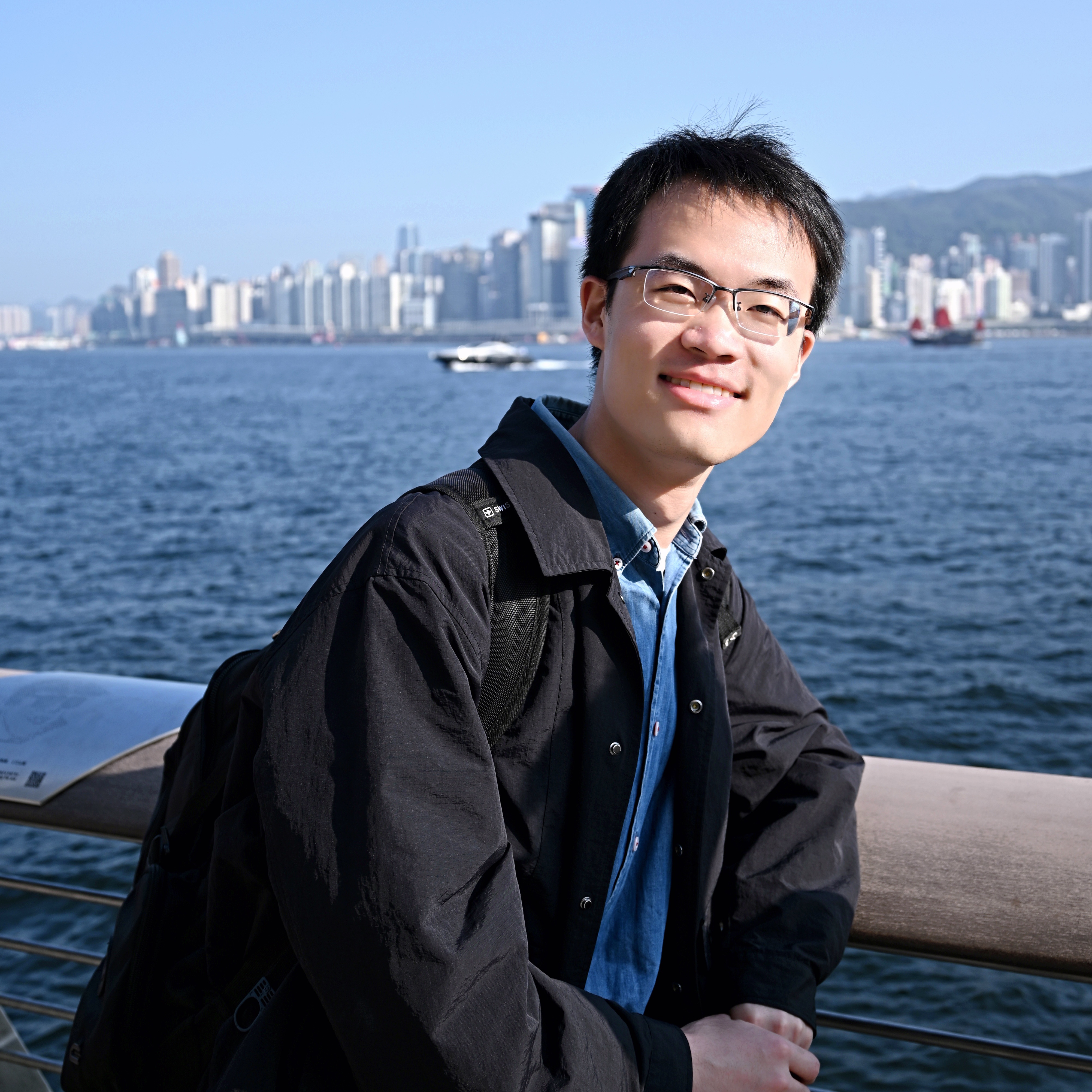
Kaijie Yun
No.92, Xidazhi Street, Harbin • (+86)15184786609 • kjyun0920@gmail.com
I am currently pursuing a Master’s degree in Mechanical Engineering at Harbin Institute of Technology, with research interests in Computer Vision, Robotics, Automation, and Artificial Intelligence. I hold a Bachelor's degree in Mechanical Engineering and a second degree in Artificial Intelligence from the same institution. My academic background integrates mechanical systems and intelligent technologies, forming a solid foundation for advanced study and exploration in intelligent perception and autonomous systems.
Experience
Mercedes-Benz Group China Ltd.
ADAS Perception Engineer • Jan, 2025 — May, 2025
- Optimized occupancy prediction model: Fine-tuned the FB-Occ architecture for near-field parking, achieving a 19.5% RayIoU improvement over the baseline on internal dataset.
- Enhanced training efficiency: Reduced GPU memory usage through activation checkpointing and memory-aware optimizations, enabling stable training on A10G GPUs (24GB) without reducing iteration volume.
- Strengthened preprocessing & evaluation: Built a customized data interface to synchronize multi-sensor timestamps and filter corrupted samples, and validated RayIoU as a more robust occupancy evaluation metric than conventional mIoU.
Beijing Samsung Telecomunication R&D Center
Robotics Algorithm Engineer • Jun, 2025 — Aug, 2025
- Adapted grasp dataset: Customized the MultiGripperGrasp dataset for the RB-Y1 platform, creating 3,170 synthetic samples across 345 unique objects, establishing a strong foundation for downstream model training.
- Optimized data pipeline: Accelerated synthetic data collection by 60% through I/O optimization and pipeline redesign, while tuning stiffness/damping parameters to ensure reliable path planning convergence.
- Enhanced grasping performance: Improved grasp success rate in large-scale Isaac Sim experiments from 16.94% to 33.24%, and standardized datasets into RLDS format to enable efficient VLA model finetuning.
Education
Harbin Institute of Technology
Master of Engineering, Mechanical Engineering • 2024 — present
- Laborarory: State Key Laboratory of Robotics and System
- Supervisor: Prof. Zongwu Xie
- Research interest: Autonomous navigation and location
Harbin Institute of Technology
Bachelor of Engineering, Mechanical Engineering & Artificial Intelligence (Double Degree) • 2020 — 2024
- GPA: 85.92 / 100 (Ranking: 18/103)
- Supervisor: Prof. Yong Lu & Prof. Jianhua Huang
- The People's Scholarship, Outstanding Student Leader, etc.
Projects
Research on Vision-based Human-machine Operation Safety Detection for Industrial Robot
Independent Developer • 2023 — 2024
- Developed 2D-to-3D human pose detection pipeline: Utilized OpenMMLab's mmpose for 2D joint detection and applied triangulation to reconstruct 3D human poses, enabling precise spatiotemporal alignment with robot kinematics.
- Improved inference efficiency for real-time safety monitoring: Deployed the model with mmdeploy, reducing inference latency from 250ms to 29ms per frame (7.6x faster), while maintaining high accuracy in collision risk assessment.
- Enhanced safety prediction accuracy: Integrated 3D human poses with robot forward kinematics, applying AABB collision detection, which resulted in a missed detection rate of 6.7% in industrial scenarios.
Design and Implementation of Binocular Ellipse Detection Algorithm
Independent Developer • 2023 — 2024
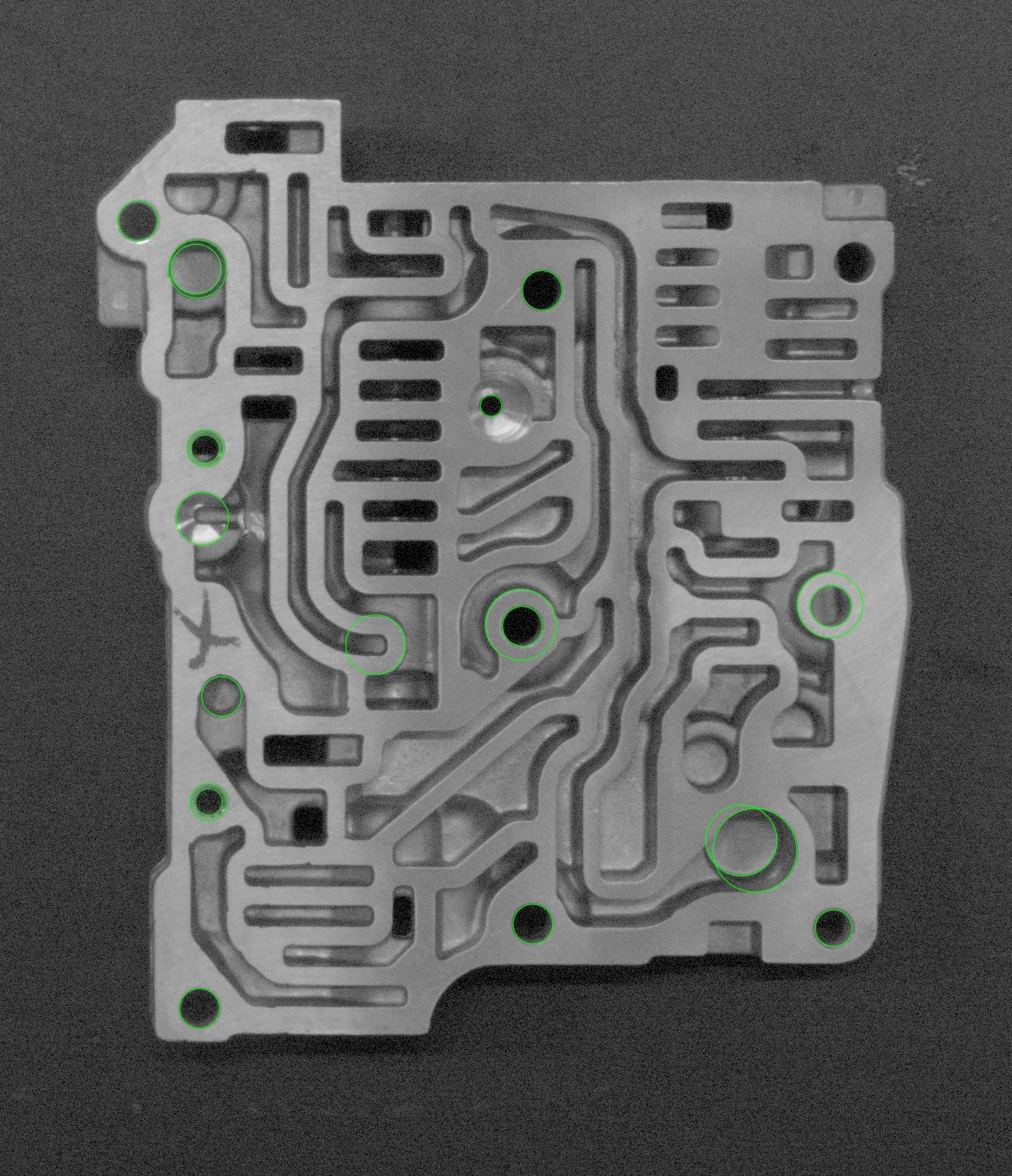
- Enhanced ellipse detection algorithm: Improved the EDCircles method with geometric constraints and adaptive thresholding, reducing false positives and enabling robust detection of industrial hole edges.
- Boosted efficiency: Optimizations shortened average detection time by 34.4% while preserving accuracy, supporting real-time industrial inspection.
Autonomous Navigation for Planetary Rovers Based on Visual Terrain Analysis
Independent Developer • 2024 — present
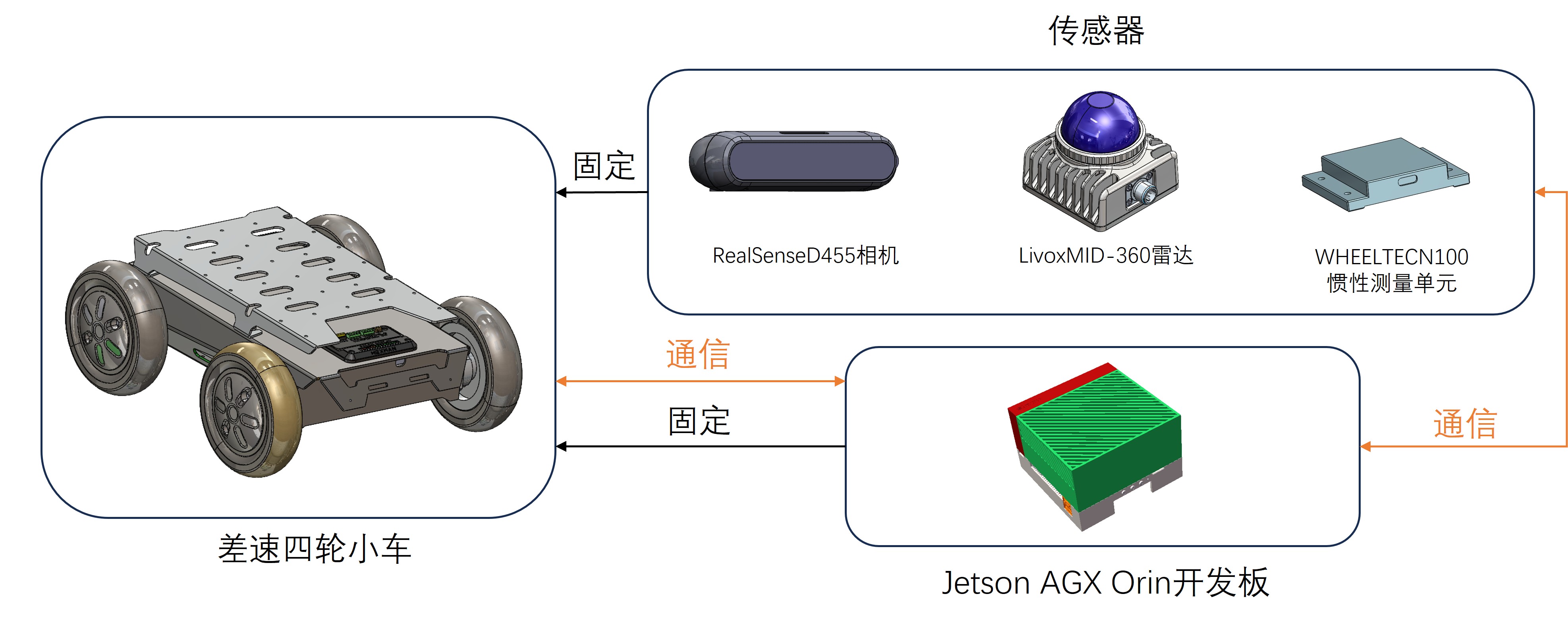
- Constructed Mars-like simulation environment: Imported HiRISE DEMs and textures into Gazebo, building photorealistic Martian terrains with full sensor suite (LiDAR, RGB, IMU), generating 10k+ multimodal samples for model training and evaluation.
- Designed multi-modal traversability prediction model: Encoded RGB imagery with DINOv3, point clouds with PointPillars, and applied FiLM across FPN layers for cross-modal fusion, supervised by IMU-derived continuous cost signals; the model reduced risk prediction error by 21.7% compared to geometric baselines.
- Integrated with downstream navigation: Extended traversability costmaps into NNPP-based path planning, achieving a 2.5x speedup over traditional D* algorithms in dynamic scenarios, and proposed a global localization strategy leveraging local maps and orbital imagery feature matching for robust positioning under GPS-denied conditions.
Social Links
- Github: https://github.com/KJ-Yun
- LinkedIn: https://www.linkedin.com/in/kaijie-yun